

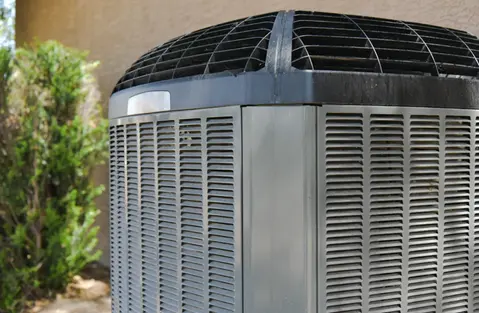
Your air conditioner’s compressor is one of the most important—and expensive—components in your system. When it fails, it can lead to costly repairs or even full system replacement.
Understanding what causes compressor burnout can help you catch issues early and avoid unexpected breakdowns.
Key Takeaways
- Compressor burnout is often caused by restricted refrigerant flow or lack of lubrication
- The most common causes include expansion valve blockages and low compressor oil
- These issues increase pressure and friction, leading to overheating
- Early repair can prevent full system failure and expensive replacement
What Is AC Compressor Burnout?
The compressor in a central air conditioning system is responsible for distributing refrigerant throughout the system. Because it operates under constant pressure and demand, it is one of the most heavily used components.
When the compressor overheats or becomes damaged, it can burn out—causing your system to stop cooling effectively or fail entirely.
2 Common Causes of AC Compressor Burnout
Restrained Expansion Valve
The compressor of a central air conditioning system is designed to distribute refrigerant throughout each component of the system. Since the compressor is required to fulfill a demanding operational schedule, it is not uncommon for issues to form.
One common cause of compressor burnout is a blockage in the expansion valve. This valve is integrated into the refrigerant line that runs between the condenser and evaporator coils and is responsible for regulating refrigerant flow.
If a blockage forms in your refrigerant lines, the expansion valve may be unable to maintain proper pressure. This can negatively impact the temperature of the refrigerant and the air inside your home. In some cases, the refrigerant may not reach the evaporator coils at all.
As a result, the compressor is forced to work harder to push refrigerant through the system. Over time, this added strain can cause the compressor to overheat and eventually burn out.
Common signs include:
- Warm air blowing from vents
- Reduced cooling performance
- System running harder than usual
If you notice these issues, schedule AC repair service to prevent further damage.
Low Supply of Compressor Oil
The compressor inside a central air conditioning system uses oil to reduce heat and friction between its internal components. This oil also helps maintain system integrity and prevent refrigerant issues.
As your system ages, the oil may begin to deteriorate or mix with refrigerant, reducing its effectiveness. When oil levels become too low, friction between components increases significantly.
This added friction generates heat, which can cause the compressor to overheat and fail.
Common signs include:
- Loud or unusual noises
- Reduced system efficiency
- Increased wear on components
How to fix it:
A licensed HVAC technician can inspect the system and restore proper lubrication to prevent further damage.
How to Prevent Compressor Burnout
Preventing compressor failure starts with regular system maintenance and early detection of issues.
To reduce the risk of burnout:
- Schedule routine system inspections
- Address refrigerant issues early
- Keep airflow unrestricted
- Ensure proper system lubrication
Regular maintenance can help catch small problems before they lead to major component failure.
AC Compressor Burnout FAQs
What causes an AC compressor to burn out?
Compressor burnout is typically caused by restricted refrigerant flow, expansion valve issues, or low oil levels that increase friction and heat within the system.
Can a compressor be repaired, or does it need to be replaced?
In some cases, components can be repaired. However, if the compressor is severely damaged, replacement is often the most reliable long-term solution.
How can I prevent compressor failure?
Regular maintenance, proper refrigerant levels, and ensuring adequate airflow can help prevent compressor burnout and extend system lifespan.
Our expert technicians are here for youSchedule Online Today