

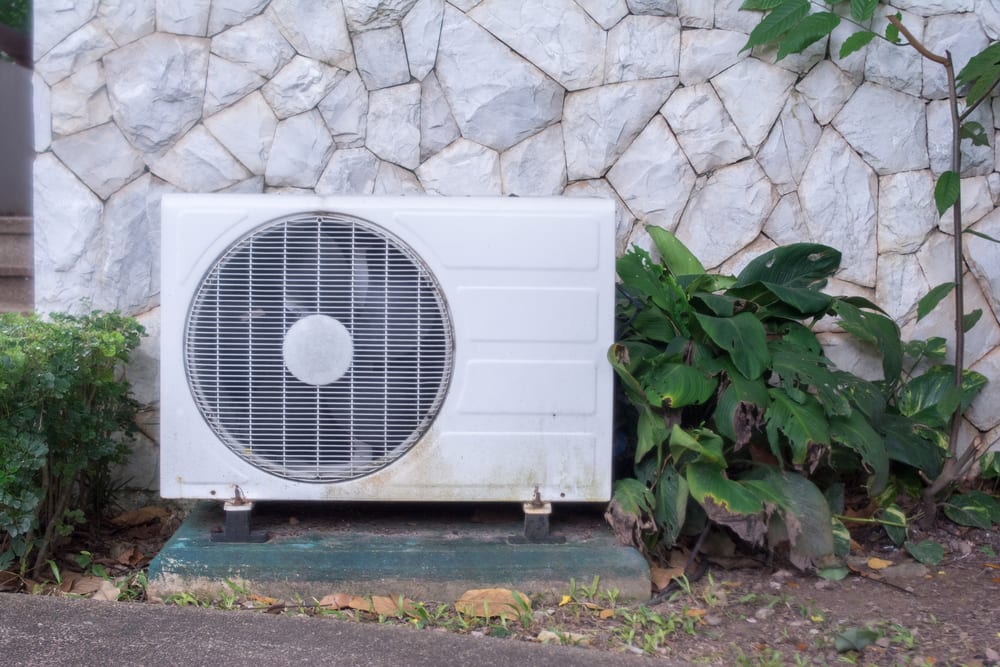
If your heat pump is not cooling your home as expected, a few common issues could be causing the problem, and this article outlines five reasons to consider including thermostat settings that are stuck in heating mode, power or wiring issues that prevent proper operation, a frozen or iced system that limits airflow, inadequate airflow due to dirty filters or blocked vents, and mechanical failures such as a bad reversing valve or worn blower components so you can better understand what each issue means and when to call a professional technician to diagnose and restore proper cooling performance so your home stays more comfortable.
A heat pump system is designed to achieve year-round temperature regulation inside your home. When it’s cold outside, the heat pump brings warm air into your home. When it’s hot outside, the heat pump expels warm air from your home. The system contains both an outdoor unit and an indoor unit. The outdoor unit captures and stores air while the indoor unit either removes air from your home or distributes air throughout it. A heat pump system is an essential part of living comfortably in your home despite the outside conditions. If your heat pump is not cooling your home, one of these reasons might be why:
Table of Contents
Why Is My Heat Pump Not Blowing Cold Air?
1. Malfunctioning Thermostat
If your thermostat is set to heating mode, it only distributes warm air. A simple way to fix this problem is to a) check the thermostat’s temperature settings and b) switch to cooling mode.
2. Stuck in Heating Mode
If your thermostat is set to cooling mode but you notice the heat pump is not blowing cold air, a jammed reversing valve might be the cause of the issue. A heat pump that’s stuck in heating mode can’t switch to cooling mode, thus preventing cool air from flowing throughout your home. Contact an HVAC professional to conduct this heat pump repair.
3. Heat Pump Won’t Activate
A power source issue causes the heat pump to stop working altogether. If this happens, neither warm air nor cool air will distribute throughout your home. Follow these three simple steps to fix the problem:
- Check the breakers and ensure proper settings
- Make sure both indoor and outdoor units are turned on
- See if the outdoor unit’s reset button was activated
- If so, press the button once to reactivate the system
- If not, call a professional for assistance
4. Frozen System
A frozen heat pump prevents proper heat transfer through the system. Here are some ways to fix this problem:
- Seal any system leaks that allow refrigerant to escape
- Install a new air filter if the current one is dirty
- Clean any dirty coils
To prevent future issues, clean the coils regularly, and replace the air filter every few months.
Tips & Insights: What Are the Gas Burners in a Furnace Responsible For?
5. Defective Blower
If your heat pump is not cooling your living area, the source of the issue may be a malfunctioning blower in your system. Cool air is available in the system, but it can’t move throughout your home without a properly functioning blower. If this issue occurs, make sure the thermostat is set to AUTO. if the system is set to AUTO, but cool air still isn’t circulating, seek an expert’s help.
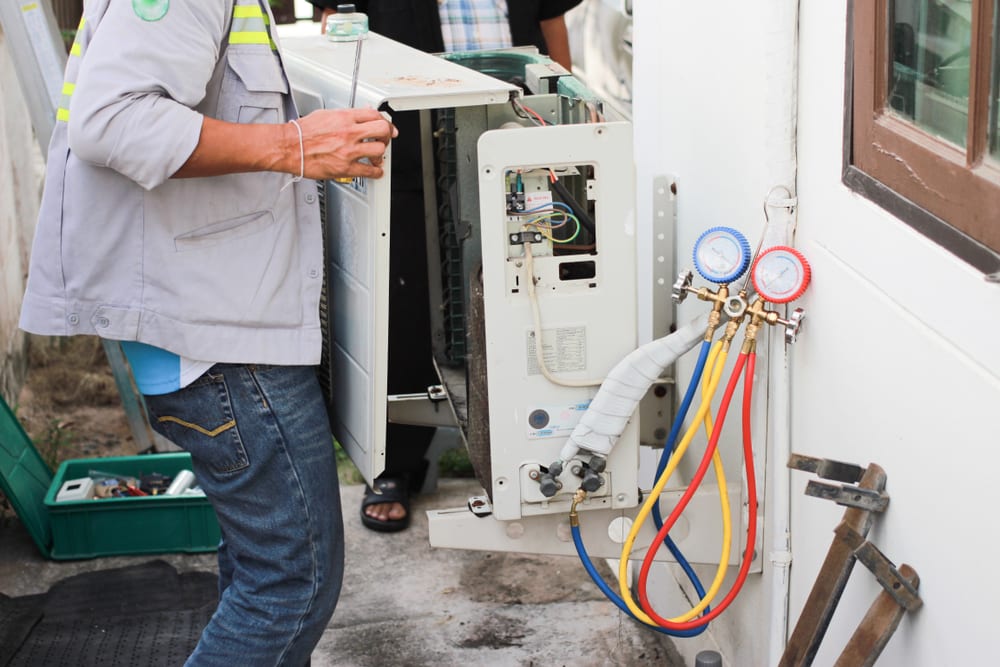
7 Main Components of a Heat Pump System
A heat pump system consists of these 7 main parts:
1. Outdoor Unit
The outdoor unit is what captures and stores both warm and cool air. It contains a condensing coil and a compressor.
2. Air Handler
The air handler distributes air efficiently in your home and contains an evaporator coil, a blower motor, and an electric heater.
3. Heater
An emergency electric heater serves to heat homes that aren’t heated enough by the heat pump alone. The heater consists of the same components as the air handler.
4. Refrigerant
A liquid called refrigerant moves throughout the system to either soak up or repel heat. If your heat pump is not blowing cold air in your living space, this is a sign of a small to large refrigerant leak.
5. Compressor
The compressor distributes refrigerant to the evaporator coils in the air handler. This piece contains the reversing valve, a fan, a motor, defrost controls, and electrical components.
Tips & Insights: 10 Benefits & Drawbacks Of Purchasing A Heat Pump
6. Reversing Valve
The reversing valve allows air to flow in and out of your home by switching which way the refrigerant moves. Airflow occurs when the valve is on but stops when the valve is turned off.
7. Thermal Expansion Valve
Air conditioning wouldn’t happen without the thermal expansion valve. It controls how much and how quickly refrigerant moves through the heat pump system.
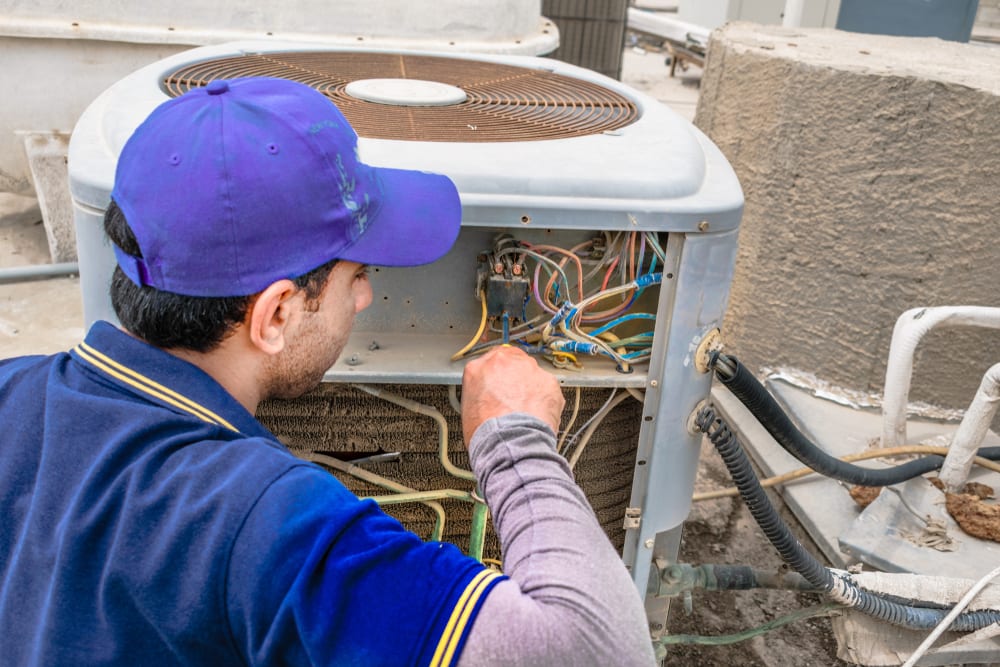
Superior Heat Pump Repair & Installation Services
If your heat pump system isn’t cooling your home properly, the team of technicians at Fenwick Home Services is here to help! We offer heat pump repair and heat pump installation services to homes in Jacksonville and other areas of Florida. In addition, our contractors offer other types of HVAC services such as furnace repair, air conditioner installation, dehumidifier replacement, and furnace installation. Our years of experience in the heating and cooling industry have equipped us to meet your every HVAC-related need with a smile. Learn more about our heat pump services on our website, or give us a call at (904) 217-5694 to connect with a professional.
FAQ’s
1. Why is my heat pump not blowing cold air?
If your heat pump isn’t blowing cold air, the issue is often related to thermostat settings, restricted airflow, frozen components, or mechanical failures like a faulty reversing valve or blower. Checking these common problem areas can help identify the cause before calling a professional.
2. Can a thermostat cause my heat pump to stop cooling?
Yes. If your thermostat is set to heating mode or not functioning properly, your heat pump will not switch to cooling. Incorrect settings, wiring issues, or a malfunctioning thermostat can all prevent cool air from circulating.
3. Why is my heat pump stuck in heating mode?
A heat pump stuck in heating mode is usually caused by a faulty or jammed reversing valve. This component controls whether your system heats or cools, and when it fails, the system cannot switch modes properly.
4. What should I do if my heat pump won’t turn on?
Start by checking your circuit breakers, ensuring both indoor and outdoor units have power, and resetting the system if needed. If the heat pump still doesn’t activate, it’s best to contact an HVAC technician to diagnose electrical or internal issues.
5. Can a frozen heat pump stop it from cooling?
Yes. A frozen heat pump restricts airflow and prevents proper heat transfer, which can stop your system from cooling effectively. This is often caused by dirty filters, blocked airflow, or refrigerant issues.
6. How does poor airflow affect my heat pump’s cooling performance?
Restricted airflow from dirty filters, blocked vents, or a failing blower motor can prevent cool air from circulating throughout your home, even if the system itself is producing cold air.
7. When should I call a professional for heat pump repair?
You should call a professional if your heat pump won’t turn on, is stuck in one mode, has frozen components, or isn’t cooling despite basic troubleshooting. A technician can safely diagnose and repair complex or mechanical issues.